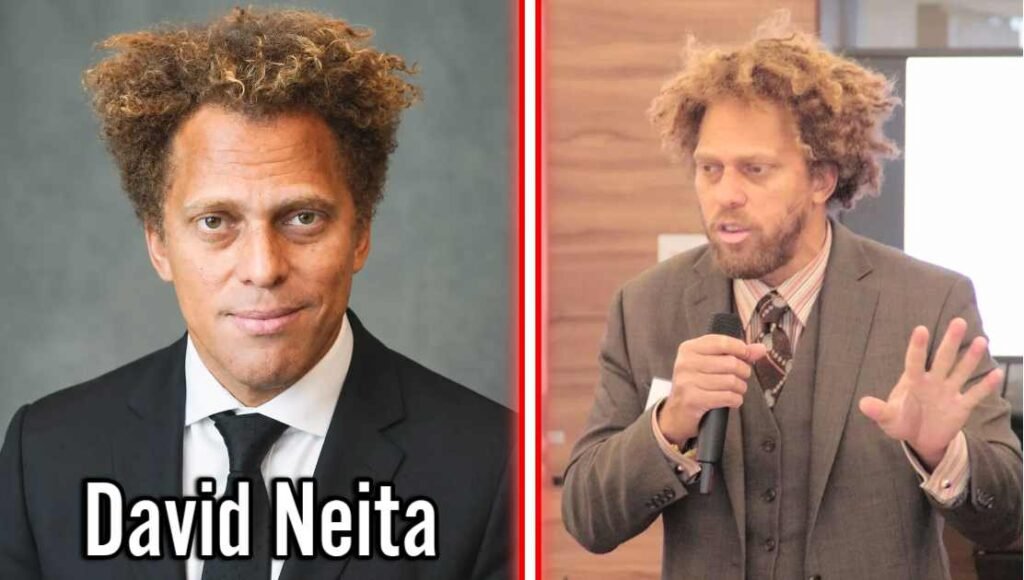

When evaluating the landscape of modern justice, few figures stand out quite like David Neita. Often referred to as “The Poetry Lawyer,” he has carved out a unique space where creative expression meets fierce legal advocacy. For decades, traditional courts have often silenced the vulnerable and trapped them in a web of exclusionary bureaucracy. Yet, this remarkable advocate is successfully using his voice, legal acumen, and artistic flair to shatter these barriers and ensure that marginalized communities are finally heard and respected.
Born in Jamaica and later migrating to the United Kingdom, David Neita recognized early on that the rigid structures of the law were sometimes inadequate to heal societal wounds. He realized that to bring about genuine equality, one must appeal not only to the intellect of judges but to the hearts of the public. By intertwining his formidable legal background with his published spoken-word poetry, he has transformed the way we perceive human rights, proving that justice is an art form as much as it is a science.
| Quick Bio | Details |
| Full Name | Dave Martyn Neita |
| Famous Alias | The Poetry Lawyer |
| Birth | October 1968, Jamaica |
| Profession | Human rights barrister, poet, playwright, and lecturer |
| Spouse | Heather Small (married 2012) |
| Notable Work | South African asbestos miners case, UPLIFT play, NASA EDI consultancy |
| Awards | Top 10 Most Powerful Black Men in Britain (Black Enterprise, 2012) |
Early Life and Education: The Making of an Advocate
The journey of David Neita began in Jamaica, a nation rich in culture, storytelling, and a deep sense of community. Growing up surrounded by the rhythmic cadence of Caribbean dialect and powerful spoken word, he developed an early appreciation for the power of language. Moving to the United Kingdom to pursue his education was a significant transition, one that exposed him to the stark realities of systemic inequality and racial prejudice within Western institutions.
Determined to make a tangible difference, David Neita pursued a career in law, navigating the historically conservative halls of the British legal system as a Black immigrant. He successfully earned his legal qualifications and was called to the Bar of England and Wales in the year 2000. Despite the resistance he sometimes faced as a dreadlocked Jamaican in a traditional courtroom setting, he remained steadfast in his mission. His academic pursuits did not stop at the law; he also obtained a Master of Arts in Cultural Leadership, equipping him with the theoretical and practical tools to drive institutional change.
A Human Rights Barrister: Taking on the Toughest Cases
From the very beginning of his legal career, David Neita refused to take the easy path of corporate enrichment. Instead, he dedicated his practice as a human rights barrister exclusively to representing those who had been overlooked, sidelined, or outright abused by the system. He became a beacon of hope for individuals fighting school exclusions and for public servants, like outspoken NHS nurses, who courageously confronted racism within the healthcare sector.
The legal philosophy of David Neita is rooted in the belief that the law must serve the people, not the powerful elites. He understood that the rigid legal system frequently fails marginalized voices by hiding behind complex jargon and procedural delays. By bringing his cases to the public eye and infusing his legal arguments with unyielding moral clarity, he redefined what it means to be an effective advocate in modern Britain.
The South African Asbestos Miners Case
One of the most defining moments in the career of David Neita came when he joined the legal team representing thousands of South African workers. These vulnerable workers had suffered severe health consequences due to corporate negligence. This monumental lawsuit became the largest group action claim in United Kingdom history against multinational mining firms.
Through relentless dedication, the legal team fought against incredibly well-funded corporate defense strategies. The involvement of David Neita in the asbestos miners case cemented his reputation as a fearless defender of the oppressed. He highlighted how multinational corporations often exploit workers in developing nations, utilizing his platform to bring international awareness to the devastating physical and economic toll borne by the victims.
Championing Equality, Diversity, and Inclusion
Beyond the courtroom, David Neita has emerged as a leading voice in corporate and institutional reform. He serves as a highly sought-after consultant in Equality, Diversity, and Inclusion (EDI), working with global powerhouses to dismantle systemic biases. His client roster includes prestigious entities such as NASA, where he helps encourage underrepresented youth to pursue STEM careers, as well as the Zurich Corporation and the Church of England.
To truly change an organization, David Neita insists that one must go beyond surface-level diversity quotas. He conducts intensive workshops and cultural leadership seminars that force institutions to confront their uncomfortable histories and reform their internal practices. His role as an Adjunct Professor at IES London further allows him to educate the next generation on the vital intersection of health policy, race, and organizational culture.
The Poetry Lawyer: Healing Through Spoken Word
The moniker “The Poetry Lawyer” is not merely a catchy nickname; it represents the core methodology of David Neita. He recognized that legal victories, while essential, rarely heal the emotional and psychological trauma inflicted by injustice. By writing and performing spoken-word poetry, he breaks down complex legal and social concepts into accessible, moving verses that resonate with ordinary people.
Whether he is delivering a powerful sermon on redemption at Oxford University or speaking to excluded youths in London, David Neita uses poetry as an instrument of liberation. His artistic approach disarms defensive audiences and fosters genuine empathy. He believes that creativity is an essential leadership skill, one that allows communities to reimagine a fairer, more inclusive society outside the rigid confines of the courtroom.
Transforming Mental Health at Broadmoor Hospital
Mental health advocacy is another arena where traditional systems often fail the most vulnerable, yet this is an area where this remarkable advocate truly shines. As an art consultant and patient advocate, David Neita took his creative methodology into the halls of Broadmoor Hospital, Europe’s largest and most secure mental health facility. He recognized that patients there were often treated solely as clinical subjects rather than human beings with complex emotional needs.
By designing and facilitating therapeutic poetry and creative writing workshops, he provided long-term psychiatric patients with a safe outlet for expression. These sessions allowed individuals to process their trauma, reclaim their narratives, and even draft parliamentary questions to express their political concerns. This groundbreaking work has been featured in major psychiatric journals, proving that the fusion of art and advocacy can revolutionize mental healthcare.
A Creative Powerhouse: UPLIFT Play and Visual Arts
The creative talents of this dynamic barrister extend far beyond spoken word poetry; he is also a celebrated playwright and visual artist. In 2022, David Neita took his artistic vision to the world-renowned Edinburgh Festival, debuting a theatrical production that captured the hearts and minds of international audiences. His ability to weave historical facts with gripping emotional storytelling makes him a true creative powerhouse.
His visual art is equally impactful, often exploring themes of national identity and belonging. One of his most famous pieces, “We Belong,” ingeniously uses the colors of the Jamaican flag to outline the geography of the United Kingdom. Through these multidisciplinary artistic endeavors, David Neita continuously challenges societal norms and forces audiences to reconsider the true meaning of citizenship and cultural integration.
Highlighting the Windrush Generation
The UPLIFT play, specifically, stands as a monumental tribute to a deeply wronged demographic. Through this acclaimed theatrical work, David Neita shined a crucial spotlight on the Windrush generation—the thousands of Caribbean immigrants who arrived in the UK to help rebuild the nation post-World War II, only to face horrific systemic betrayal decades later.
By dramatizing their struggles, triumphs, and the subsequent political scandal that threatened their legal status, the play serves as both a historical record and a call to action. David Neita utilized his dual expertise in law and the arts to ensure that the harrowing stories of the Windrush generation were not swept under the rug by bureaucratic apologetics, thereby forcing a national reckoning on race and immigration.
Personal Life: His Partnership with Heather Small
While his professional achievements are vast and well-documented, his personal life also reflects his deep connection to the arts and cultural significance. In 2012, David Neita married the iconic English soul singer Heather Small, the legendary lead vocalist of the beloved 1990s band M People. Together, they form a powerful cultural partnership based on mutual respect, artistic passion, and a shared dedication to social causes.
Despite their high-profile status in British society, the couple maintains a relatively private life in West London. They are frequently seen supporting each other’s endeavors, seamlessly blending the worlds of music, law, and activism. The relationship underscores the fact that behind his fierce public advocacy lies a deeply grounded personal life enriched by love, family, and shared creative values.
Legacy and Continued Impact: Why the System Needs Him
The enduring legacy of David Neita is a testament to the fact that one does not have to conform to broken systems in order to change them. He was named one of the Top 10 Most Powerful Black Men in Britain by Black Enterprise, a recognition that highlights his monumental influence across multiple sectors. Furthermore, his civic contributions have been officially celebrated by the Mayor of London, cementing his status as a pillar of the community.
As a Representative Deputy Lieutenant for Greater London, he presides over citizenship ceremonies, warmly welcoming new residents to a country he continuously works to improve. Ultimately, the career of David Neita proves that while traditional legal avenues are often flawed and exclusionary, a dedicated advocate armed with the power of poetry, intellect, and unyielding empathy can indeed bend the arc of the moral universe toward true justice.
Conclusion
In a world where marginalized voices are routinely silenced by complex legal machinery, individuals who dare to bridge the gap between human emotion and strict legal codes are incredibly rare. David Neita is a prime example of this rare breed of advocate. By combining his rigorous training as a human rights barrister with his extraordinary talents as a poet and playwright, he has redefined the boundaries of social justice.
From representing exploited South African miners to consulting for NASA, and from empowering patients at Broadmoor Hospital to writing the critically acclaimed UPLIFT play, his multifaceted career is a blueprint for effective modern activism. The life and work of David Neita will undoubtedly continue to inspire future generations of lawyers, artists, and activists to fight for a world where the law serves humanity, rather than the other way around.
FAQ
Who is the person known as “The Poetry Lawyer”?
He is a Jamaican-born, UK-based human rights barrister, published poet, and international speaker. He earned the nickname “The Poetry Lawyer” because he uniquely integrates spoken word poetry into his legal and advocacy work to explain complex human rights issues and inspire communities.
What was his role in the South African asbestos miners case?
He served as a key member of the legal team that brought the largest group action lawsuit in the history of the United Kingdom. The lawsuit was filed against multinational mining corporations on behalf of thousands of South African miners who suffered severe health issues due to asbestos exposure.
Who is he married to?
He has been married to the famous English soul singer Heather Small since 2012. Heather Small is best known globally as the former lead vocalist of the massive 1990s dance-pop band M People.
What is the UPLIFT play about?
UPLIFT is a critically acclaimed theatrical production written by him that debuted at the Edinburgh Festival in 2022. The play focuses on the experiences, struggles, and ultimate resilience of the Windrush generation in the United Kingdom.
How does he contribute to mental health advocacy?
He has worked extensively as an art consultant and patient advocate for Broadmoor Hospital, Europe’s largest mental health facility. He designed therapeutic poetry and creative writing workshops to help psychiatric patients process trauma, express their emotions safely, and even articulate their political concerns.
Read this too: Rebekah Clement: The Spectacular Triumph and Controversial Fallout of an Industry Titan